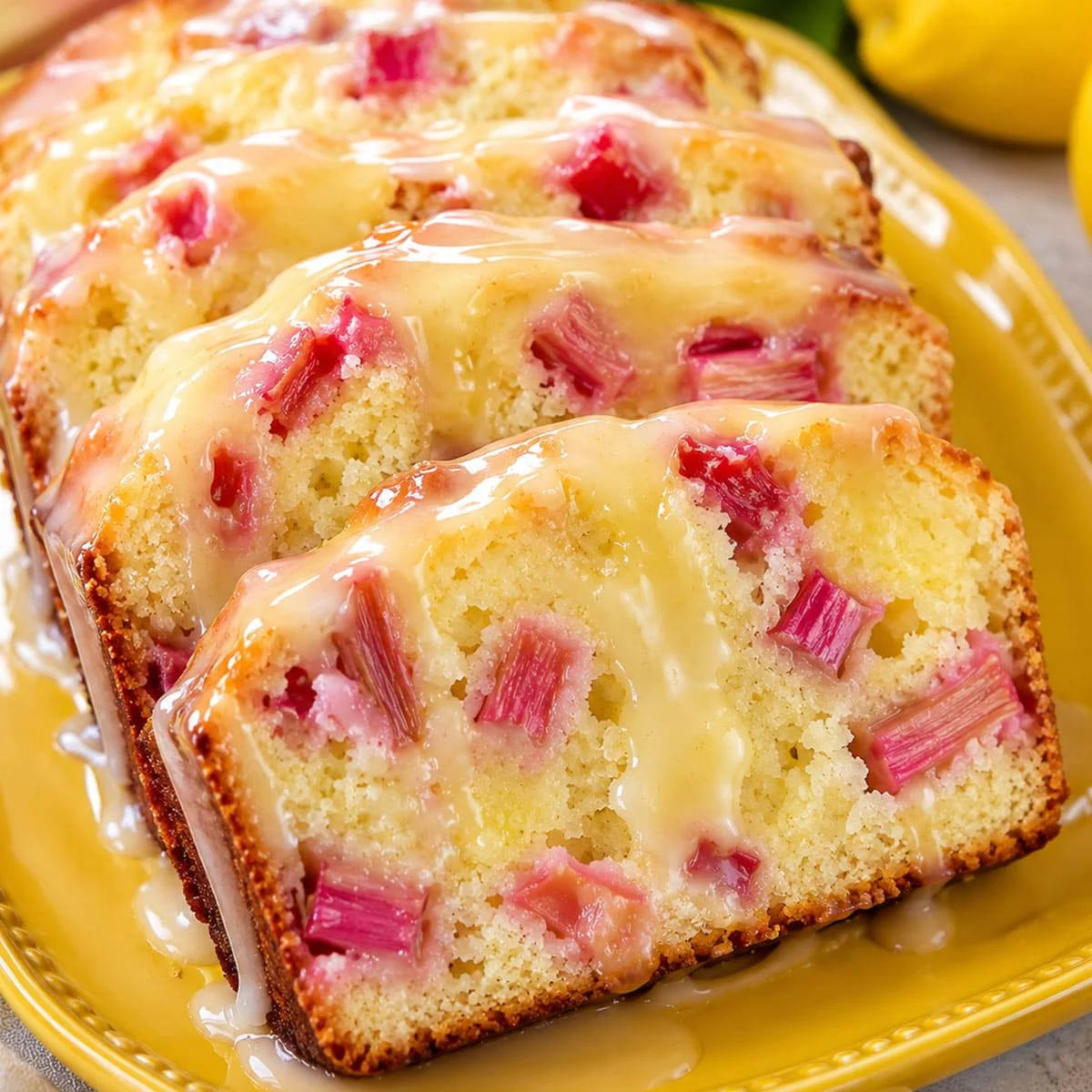
Lemon Rhubarb Bread brings together the bright scent of fresh citrus, the cozy sweetness of a homemade rhubarb loaf, and the tender crumb of a moist lemon rhubarb loaf in every slice. The golden top looks beautifully rustic, while juicy rhubarb pieces add tart, ruby-pink bursts that balance the buttery, soft texture.
This easy rhubarb quick bread always reminds me of spring baking, when fresh rhubarb starts showing up and the kitchen feels warm, festive, and comforting. With the flavor of a lemon rhubarb loaf cake and the simplicity of a fresh rhubarb quick bread, it is perfect for brunch, dessert, or afternoon coffee. Save this recipe and try it soon.
Quick Overview
Lemon Rhubarb Bread is a buttery quick bread made with sour cream, lemon zest, vanilla, cardamom, and diced rhubarb. The batter is baked in a parchment-lined 9×5-inch loaf pan at 350°F until golden and set. The key technique is folding the batter gently and coating the rhubarb in the dry mixture so the fruit stays evenly suspended.
Recipe Trust Notes
Pan Size: 9×5-inch loaf pan
Oven Temperature: 350°F
Prep Time: 25 minutes
Cook Time: 55–65 minutes based on the method
Total Time: About 1 hour 17 minutes, plus cooling
Texture Goal: Moist, tender, soft crumb with juicy rhubarb pieces
Main Technique: Creaming butter and sugar, then gently folding dry ingredients with rhubarb into the wet mixture
Biggest Mistake to Avoid: Overmixing the batter after adding the flour
Best Make-Ahead Tip: Bake the loaf ahead, cool completely, then wrap tightly before slicing
Doneness Cue: A toothpick inserted into the center should come out with a few moist crumbs, not wet batter
Cooling Cue: Cool in the pan for 10 minutes, then transfer to a wire rack before slicing
Top Reasons This Delicious Lemon Rhubarb Bread Is a Keeper
- The crumb stays soft and tender because butter is creamed with sugar, then balanced with sour cream for moisture.
- The flavor is bright but cozy, with lemon zest, vanilla essence, cardamom, and tart rhubarb working together.
- The rhubarb is tossed with the dry ingredients, which helps prevent the fruit from sinking during baking.
- The sliced rhubarb topping adds a pretty, rustic finish with a lightly crunchy sugar layer.
- The loaf is perfect for brunch, spring baking, afternoon coffee, or a simple homemade dessert.
- The recipe is make-ahead friendly because the loaf slices neatly once fully cooled.
- The method uses simple visual cues, so you know exactly when the bread is golden, set, and ready.
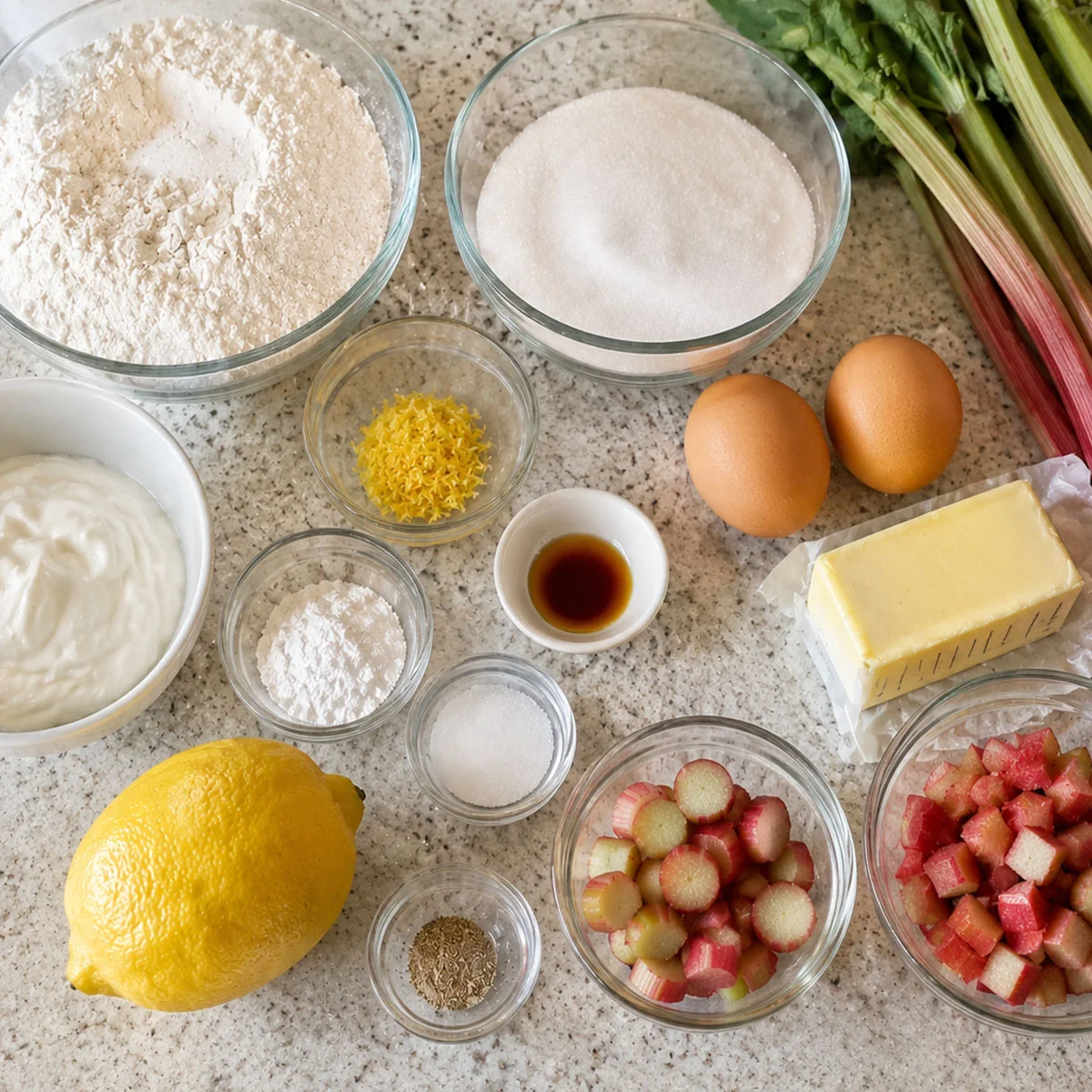
Everything You Need for This Lemon Rhubarb Bread
For the bread:
3/4 cup butter, softened
1 1/4 cups sugar
1/3 cup sour cream
1 1/2 tbsp lemon zest
1 1/2 tsp vanilla essence
2 eggs
1 3/4 cups all-purpose flour
1 tbsp baking powder
1/2 tsp salt
1/4 tsp ground cardamom
1 3/4 cups rhubarb, diced into 1/2-inch pieces
For the topping:
1/4 cup rhubarb, thinly sliced into 1/4-inch rounds
2 tbsp sugar
Ingredient Breakdown
Butter gives this loaf its rich flavor and tender texture. Three-quarters cup is about 170 grams, and it should be softened before mixing so it creams smoothly with the sugar.
Sugar sweetens the bread and helps create a soft, golden crumb. One and one-quarter cups is about 250 grams, and it also helps balance the tartness of the rhubarb.
Sour cream adds moisture and a gentle tang. One-third cup is about 80 grams, and it helps keep the loaf tender instead of dry or crumbly.
Lemon zest is the main citrus note. One and one-half tablespoons gives the loaf a fresh aroma without adding extra liquid to the batter.
Vanilla essence rounds out the lemon and rhubarb flavors. The recipe notes Nielsen-Massey vanilla for better aroma, and that warm vanilla scent carries nicely through the finished bake.
Eggs help bind the loaf and give it structure. Use them at room temperature when possible, because they blend more evenly into the creamed butter and sugar.
All-purpose flour forms the base of the bread. One and three-quarter cups is about 220 grams, and the recipe notes King Arthur all-purpose flour as a preferred option.
Baking powder gives the loaf lift. One tablespoon helps the batter rise into a soft quick bread texture.
Salt balances sweetness and sharpens the lemon flavor. Without it, the bread can taste flat.
Ground cardamom adds a subtle warm spice. It pairs beautifully with lemon and rhubarb because it gives the loaf a soft floral note without overpowering the fruit.
Diced rhubarb brings the tart, juicy bite. Cutting it into 1/2-inch pieces helps it soften during baking while still leaving visible fruit throughout the loaf.
Thin rhubarb rounds are used for the topping. Since they are sliced thinner, they soften on top and create a pretty visual layer.
The final sugar topping creates light crunch. It also helps the rhubarb rounds shine because the sweetness balances their natural tartness.
For a gluten-free version, use a 1:1 gluten-free all-purpose flour blend. However, the texture may be slightly more delicate, so cool the loaf fully before slicing.
For a dairy-free version, use a dairy-free butter alternative and a dairy-free sour cream substitute. Choose options meant for baking so the loaf still has moisture and structure.
For a healthier option, cut slightly thinner slices and serve with fresh fruit. Since the loaf is already rich and buttery, smaller portions still feel satisfying.
For a budget option, use any good-quality unsalted butter, regular vanilla essence, and seasonal rhubarb. The key is keeping the same ratios and method.
For a kid-friendly version, serve slices with a light dusting of sugar or a small spoonful of sour cream on the side. The sweetness helps soften the tart rhubarb flavor.
For a high-protein pairing, serve a slice with Greek yogurt. This keeps the bread as written while making the breakfast or snack more filling.
Step-by-Step Guide to Lemon Rhubarb Bread
Step One – Prepare the Pan and Preheat the Oven
Preheat your oven to 350°F. Then line a 9×5-inch loaf pan with parchment paper, leaving a little overhang on the long sides.
This overhang acts like handles, making it easier to lift the bread out later. In addition, parchment helps prevent sticking, especially around the sugary rhubarb topping.
Step Two – Cream the Butter and Sugar
In a large bowl, beat the softened butter and sugar together until light and fluffy, about 2–3 minutes. The mixture should look paler, softer, and slightly airy.
This step matters because creaming incorporates air, which helps create a tender crumb. However, if the butter is too cold, it will not blend smoothly and may leave dense streaks in the batter.
Step Three – Add the Eggs
Add the eggs one at a time, beating well after each addition. The mixture should look smooth and creamy before you move on.
Adding eggs gradually helps emulsify the batter. If the mixture looks slightly split, continue gently mixing until it comes together, but avoid beating aggressively.
Step Four – Stir in Sour Cream, Lemon Zest, and Vanilla
Stir in the sour cream, lemon zest, and vanilla essence until just combined. The batter should smell bright, buttery, and warm from the citrus and vanilla.
Do not overmix here. You only want the wet ingredients to come together before the flour is added.
Step Five – Combine the Dry Ingredients
In a separate bowl, whisk together the flour, baking powder, salt, and ground cardamom. The dry mixture should look evenly blended with no visible pockets of baking powder.
Next, add the diced rhubarb to the dry mixture and toss gently with a spatula. This flour coating helps keep the rhubarb suspended in the batter instead of sinking.
Step Six – Fold the Batter Gently
Add the dry mixture with the diced rhubarb to the wet mixture. Fold gently with a spatula until you no longer see dry flour streaks.
A few small lumps are perfectly fine. However, if you keep mixing until the batter looks completely smooth, you may develop too much gluten and make the loaf tough.
Step Seven – Fill the Loaf Pan
Pour the batter into the prepared pan and smooth the top gently with a spatula. The batter should look thick, creamy, and speckled with rhubarb pieces.
Avoid pressing too hard or packing the batter down. A gentle, even surface helps the loaf rise naturally.
Step Eight – Add the Rhubarb Topping
Arrange the thinly sliced rhubarb rounds on top in a single layer. Press them slightly into the batter so they stay in place as the loaf rises.
Then sprinkle the 2 tablespoons of sugar evenly over the top. As the bread bakes, this sugar creates a delicate crunch and helps the tart rhubarb topping taste balanced.
Step Nine – Bake Until Golden and Set
Bake the loaf at 350°F for 55–65 minutes. The top should be golden brown, and a toothpick inserted into the center should come out with a few moist crumbs.
If the top browns too quickly after about 40 minutes, tent it loosely with foil. This protects the exterior while giving the center enough time to bake through.
Step Ten – Cool Before Slicing
Cool the bread in the pan for 10 minutes. Then use the parchment overhang to lift it out and transfer it to a wire rack.
Let the loaf cool completely before slicing. This is important because warm quick bread can tear, crumble, or look gummy in the center if cut too soon.
Expert Tips for the Best Lemon Rhubarb Bread
Use softened butter, not melted butter. Softened butter traps air during creaming, while melted butter can make the loaf denser.
Cream the butter and sugar for the full 2–3 minutes. This gives the bread a lighter texture and a more tender bite.
Measure the flour carefully. Too much flour can make the loaf dry, while too little can make the center too soft.
Toss the diced rhubarb with the dry ingredients. This simple step helps distribute the fruit more evenly throughout the batter.
Cut the rhubarb into even 1/2-inch pieces. Large chunks may release too much moisture in one area, while tiny pieces can disappear into the crumb.
Keep the topping rhubarb thin. The 1/4-inch rounds soften better and look prettier on top.
Do not overmix after adding flour. Stop folding as soon as the dry streaks disappear.
Use fresh lemon zest rather than bottled lemon flavor. The zest adds fragrant citrus oils without thinning the batter.
Do not skip the cardamom. Even a small amount adds warmth and depth to the lemon-rhubarb flavor.
Tent with foil if needed. If the top is browning before the center is done, foil protects the crust while the inside finishes baking.
Use the toothpick test in the center. The center is the slowest part to bake, so it gives the most reliable doneness cue.
Look for moist crumbs, not wet batter. A few crumbs mean the loaf is baked but still moist.
Cool completely before slicing. The crumb firms as it cools, which gives you cleaner, softer slices.
Store the loaf tightly wrapped. Quick breads dry out when exposed to air, so wrap it well once cooled.
For the best flavor, slice with a serrated knife. A gentle sawing motion protects the tender crumb and the rhubarb topping.
Common Problems and Easy Fixes
Why did my Lemon Rhubarb Bread turn out dense?
The most common cause is overmixing after the flour is added. When flour is worked too much, gluten develops and the loaf becomes tough. To fix this next time, fold gently with a spatula and stop as soon as no dry flour streaks remain.
Why did my rhubarb sink to the bottom?
Rhubarb can sink if it is too wet, too large, or not coated in flour. The recipe solves this by tossing diced rhubarb with the dry ingredients before folding it into the batter. Also, keep the pieces around 1/2 inch for better distribution.
Why is the center underbaked?
The center may be underbaked if the loaf was removed too early or the top browned too fast. Bake until a toothpick comes out with moist crumbs, not wet batter. If needed, tent the top with foil after 40 minutes and continue baking.
Why is the top too dark?
A dark top usually means the surface browned before the inside finished baking. Because this loaf has sugar and rhubarb on top, browning can happen quickly. To prevent this, tent loosely with foil once the top reaches a golden color.
Why did my bread crumble when sliced?
The bread may crumble if it was sliced while still warm. Quick breads need cooling time so the crumb can set. Let the loaf cool in the pan for 10 minutes, then cool completely on a wire rack before slicing.
Why does my loaf taste too tart?
Rhubarb is naturally tart, so the flavor depends on the pieces you use. The sugar in the batter and topping balances that sharpness. If you prefer a sweeter serving, pair each slice with a small spoonful of sour cream or sweetened cream.
Why did my batter look curdled?
The batter may look curdled if the eggs or sour cream were too cold. Room temperature ingredients blend more smoothly with butter and sugar. However, a slightly curdled wet mixture can often recover once the dry ingredients are folded in gently.
Why is my loaf dry?
Dryness can come from too much flour, overbaking, or slicing before cooling properly. Measure carefully, check for moist crumbs, and do not bake far past the doneness point. Also, wrap leftovers tightly once the loaf is fully cool.
Flavor Variations & Dietary Swaps
- Healthier version: Serve thinner slices with fresh fruit or Greek yogurt.
- Kid-friendly version: Add a little extra sugar on top so the tart rhubarb tastes softer.
- Budget version: Use standard unsalted butter, regular vanilla essence, and seasonal rhubarb.
- High-protein pairing: Serve slices with plain or vanilla Greek yogurt.
- Extra lemon version: Add a little more lemon zest for a stronger citrus aroma.
- Warm spice version: Keep the cardamom and add the loaf to a cozy brunch spread.
- Holiday version: Serve with a light dusting of sugar and fresh rhubarb topping for a pretty spring table.
- Dairy-free version: Use baking-friendly dairy-free butter and sour cream alternatives.
- Gluten-free version: Use a 1:1 gluten-free all-purpose flour blend.
- Make-ahead method: Bake the loaf a day ahead, cool completely, wrap tightly, and slice before serving.
- Freezer strategy: Freeze the fully cooled loaf whole or in slices, wrapped tightly to protect the crumb.
Serving Suggestions for Any Occasion
For breakfast, serve Delicious Lemon Rhubarb Bread with coffee, tea, or a spoonful of sour cream on the side. The lemon aroma and tart rhubarb make it feel fresh without being too heavy.
For brunch, slice the loaf thickly and arrange it on a bright plate. In addition, the rhubarb topping makes it beautiful enough for a spring table or weekend gathering.
For dessert, serve it at room temperature with a small spoonful of whipped cream or yogurt. The creamy side balances the tart fruit and buttery crumb.
For meal prep, slice the cooled loaf and wrap portions individually. Then you can enjoy a quick sweet snack with clean slices during the week.
For holidays, place the loaf on a serving board and let the ruby-pink rhubarb topping be the centerpiece. The color feels cheerful, bright, and naturally elegant.
Try it with our lemon quick bread recipe.
Serve it beside our strawberry rhubarb dessert bars.
Nutrition Facts
The recipe lists 2325 calories. Based on 12 slices, that equals approximately 194 calories per slice.
Estimated per serving:
Calories: 194
Protein: 3g
Carbs: 28g
Fat: 9g
Sugar: 17g
Fiber: 1g
Sodium: 180mg
Cholesterol: 50mg
Nutrition will vary depending on exact butter, flour, sour cream, vanilla, and slice size used.
Keeping Leftovers Fresh
Store the cooled loaf tightly wrapped at room temperature for up to 2 days. Because it has a moist crumb and fruit, keep it away from heat and direct sunlight.
For longer storage, refrigerate it for up to 5 days. Wrap it well or place it in an airtight container so the slices do not dry out.
To freeze, cool the loaf completely first. Then wrap the whole loaf or individual slices tightly in plastic wrap and place them in a freezer-safe bag.
Freeze for up to 2 months for the best texture. When ready to serve, thaw overnight in the refrigerator or at room temperature until soft.
This loaf does not need reheating, but you can warm a slice briefly if you prefer a softer texture. Use a low oven or a short microwave burst, but avoid overheating because the crumb can dry out.
If reheating in the oven, wrap the slice lightly in foil and warm at a gentle temperature until just softened. If microwaving, heat briefly and check often.
For the best make-ahead result, bake the loaf the day before serving. Then cool completely, wrap tightly, and slice right before placing it on the table.
Best Reader Questions Answered Quickly
Can I use frozen rhubarb? Yes, but thaw and drain it well before using.
Why toss rhubarb with flour? It helps keep the pieces evenly distributed in the batter.
Can I skip cardamom? Yes, but it adds warmth and depth.
When is it done? A toothpick should come out with moist crumbs, not wet batter.
Can I freeze it? Yes, freeze the cooled loaf or slices tightly wrapped.
Everything You Want to Know
Can I use frozen rhubarb instead of fresh rhubarb?
Yes, frozen rhubarb can work, but thaw it completely and drain off excess liquid before adding it to the batter. Too much moisture can make the bread heavy or gummy. After draining, toss it with the dry ingredients just like fresh diced rhubarb.
How do I keep rhubarb from sinking?
Toss the diced rhubarb with the flour mixture before folding it into the wet ingredients. This light coating helps the fruit cling to the batter. Also, keep the rhubarb pieces around 1/2 inch, because very large pieces can sink more easily.
Why should I not overmix the batter?
Overmixing develops gluten in the flour, which can make the loaf tough instead of tender. Once the dry ingredients are added, fold gently with a spatula. Stop as soon as you no longer see dry flour streaks, even if the batter has a few lumps.
Can I make Lemon Rhubarb Bread ahead of time?
Yes, this loaf is a great make-ahead recipe. Bake it, cool it completely, and wrap it tightly. The flavor stays bright, and the crumb slices more cleanly once fully cooled, making it perfect for brunch, gatherings, or weekly snacks.
Why is sour cream used in this bread?
Sour cream adds moisture, tenderness, and a slight tang that works well with lemon and rhubarb. It also helps create a soft crumb without making the batter too thin. As a result, the loaf tastes rich but still fresh.
Can I leave out the cardamom?
Yes, you can leave out the cardamom if you prefer a simpler lemon-rhubarb flavor. However, the small amount in this recipe adds a warm, lightly floral note. It does not overpower the loaf, but it makes the flavor feel more layered.
How do I know when the loaf is fully baked?
Insert a toothpick into the center of the loaf. It should come out with a few moist crumbs, not wet batter. In addition, the top should look golden brown. If the top browns too quickly, tent the loaf loosely with foil.
Why did my loaf crack on top?
A crack on top of quick bread is normal and often a sign that the loaf rose properly. As the batter expands in the oven, the top sets and opens slightly. As long as the center is baked through, a crack is not a problem.
Can I use lemon juice instead of lemon zest?
Lemon zest is better for this recipe because it adds strong citrus aroma without extra liquid. Lemon juice can change the batter’s moisture balance. If you want more lemon flavor, add a little extra zest rather than replacing it with juice.
Should I peel rhubarb before baking?
The recipe does not require peeling rhubarb. Simply dice it into 1/2-inch pieces for the batter and slice some into 1/4-inch rounds for the topping. The color on the outside helps make the loaf look more vibrant and appealing.
Can I reduce the sugar?
You can reduce sugar slightly, but remember that rhubarb is tart. Sugar does more than sweeten; it also helps with moisture, browning, and texture. If you reduce too much, the loaf may taste sharper and the crumb may change.
Can I make this recipe gluten-free?
Yes, use a 1:1 gluten-free all-purpose flour blend designed for baking. Since gluten-free loaves can be more fragile, cool the bread completely before slicing. Also, check doneness carefully because texture may vary by flour blend.
How should I slice Lemon Rhubarb Bread cleanly?
Let the loaf cool completely first. Then use a serrated knife and a gentle sawing motion. Cutting too soon can crush the crumb or make the center look gummy, especially because the rhubarb adds moisture.
Can I add more rhubarb?
You can add a little more, but too much rhubarb may release extra moisture and make the loaf dense. For the best balance, keep the diced rhubarb close to the recipe amount and use the sliced rhubarb on top for extra visual appeal.
What can I serve with this bread?
Serve it with coffee, tea, yogurt, sour cream, or a simple brunch spread. The bread is buttery and citrusy, so it pairs well with creamy, mild sides. It also works as a light dessert when served with whipped cream.
Can I double the recipe?
Yes, you can double the recipe and bake it in two 9×5-inch loaf pans. Avoid overfilling one pan, because the center may not bake evenly. Also, check each loaf separately since oven position can affect baking time.
Similar Recipes to Explore
Try our Strawberry Rhubarb Pie – Cream Cheese Summer Dessert.
Save our Irresistible Hot Fudge Sundae Brownie Cheesecake.
Explore our 7 Cheesy Lunch Ideas: Easy Lunch Recipes This Week.
From My Kitchen to Yours
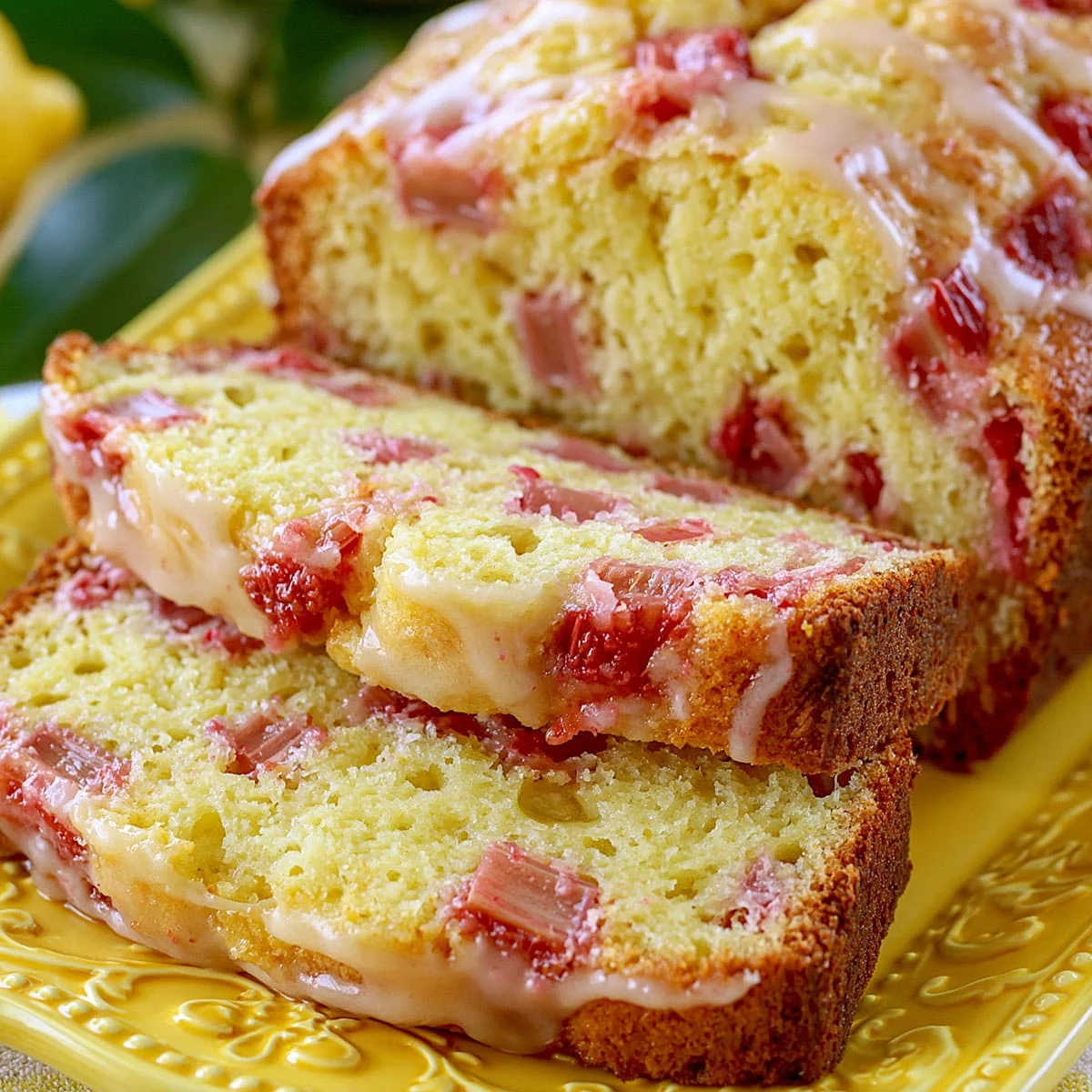
Lemon Rhubarb Bread is one of those bright, cozy bakes that feels instantly special without being complicated. Each slice has a soft buttery crumb, fresh lemon aroma, and juicy rhubarb pieces that add the perfect tart-sweet surprise. The golden top, delicate sugar crunch, and soft cardamom note make this homemade rhubarb loaf beautiful enough for brunch yet comforting enough for an afternoon coffee break.
Whether you serve it for spring baking, a family snack, a holiday table, or a quiet tea moment, this moist lemon rhubarb loaf brings freshness, warmth, and bakery-style charm to every bite.
Would you enjoy it with extra lemon zest or keep the gentle cardamom flavor as written? Would you serve it for brunch or save a slice for your morning coffee?
Save this Lemon Rhubarb Bread recipe, share it with someone who loves easy quick breads, and leave a comment with your favorite way to enjoy rhubarb.
Print
Lemon Rhubarb Bread: Easy Moist Loaf Cake for Brunch
- Total Time: 1 hour 17 minutes
- Yield: 12 slices 1x
- Diet: Vegetarian
Description
Lemon Rhubarb Bread is a moist, buttery quick bread with bright lemon zest, tender rhubarb pieces, sour cream crumb, and a lightly sugared rhubarb topping.
Ingredients
- 3/4 cup butter, softened
- 1 1/4 cups sugar
- 1/3 cup sour cream
- 1 1/2 tbsp lemon zest
- 1 1/2 tsp vanilla essence
- 2 eggs
- 1 3/4 cups all-purpose flour
- 1 tbsp baking powder
- 1/2 tsp salt
- 1/4 tsp ground cardamom
- 1 3/4 cups rhubarb, diced into 1/2-inch pieces
- 1/4 cup rhubarb, thinly sliced into 1/4-inch rounds
- 2 tbsp sugar, for topping
Instructions
- Preheat the oven to 350°F and line a 9×5-inch loaf pan with parchment paper, leaving a slight overhang on the long sides for easy removal.
- In a large bowl, beat the softened butter and sugar together for 2-3 minutes, until light, fluffy, and pale.
- Add the eggs one at a time, beating well after each addition until the mixture looks smooth and creamy.
- Stir in the sour cream, lemon zest, and vanilla essence until just combined.
- In a separate bowl, whisk together the all-purpose flour, baking powder, salt, and ground cardamom.
- Add the diced rhubarb to the dry ingredients and gently toss to coat the pieces in flour, which helps prevent sinking.
- Fold the dry mixture with the diced rhubarb into the wet mixture using a spatula until just combined and no dry flour streaks remain.
- Pour the batter into the prepared loaf pan and gently smooth the top.
- Arrange the thinly sliced rhubarb rounds over the top in a single layer and press them lightly into the batter.
- Sprinkle the 2 tablespoons of sugar evenly over the rhubarb topping.
- Bake at 350°F for 55-65 minutes, or until the top is golden brown and a toothpick inserted into the center comes out with a few moist crumbs.
- If the top browns too quickly after about 40 minutes, loosely tent the loaf with foil and continue baking until the center is fully baked.
- Cool the bread in the pan for 10 minutes, then lift it out using the parchment paper and transfer it to a wire rack to cool completely before slicing.
Notes
- Use softened butter, not melted butter, for the best soft and tender crumb.
- Toss the diced rhubarb with the dry ingredients to help distribute it evenly throughout the loaf.
- Do not overmix after adding the flour, or the bread may become dense and tough.
- A few small lumps in the batter are fine and help keep the loaf tender.
- Tent the loaf loosely with foil after 40 minutes if the top browns before the center is done.
- Cool the bread completely before slicing to prevent crumbling or a gummy center.
- Store tightly wrapped at room temperature for up to 2 days or refrigerate for up to 5 days.
- Freeze the cooled loaf or individual slices for up to 2 months.
- Prep Time: 25 minutes
- Cook Time: 55-65 minutes
- Category: Bread
- Method: Baking
- Cuisine: American
Nutrition
- Serving Size: 1 slice
- Calories: 194
- Sugar: 17g
- Sodium: 180mg
- Fat: 9g
- Saturated Fat: 5g
- Unsaturated Fat: 3g
- Trans Fat: 0g
- Carbohydrates: 28g
- Fiber: 1g
- Protein: 3g
- Cholesterol: 50mg